
Africa
Children Killed in Sudan Mosque Drone Strike; Warring Parties Trade Blame

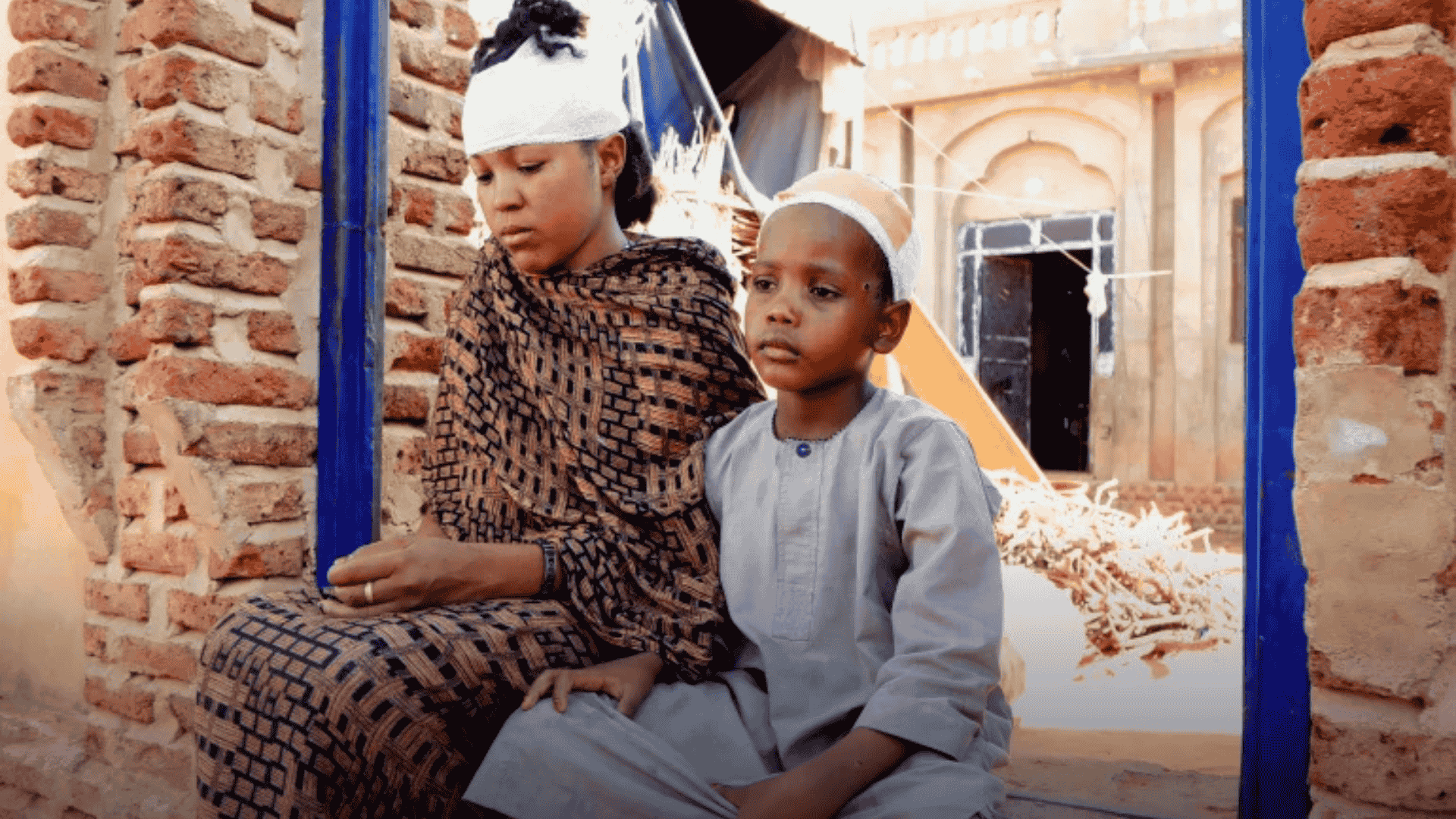
WAD MADANI, Sudan – In a tragic escalation of the ongoing conflict, a Sudan mosque drone strike has claimed the lives of three children in Wad Madani. Medical professionals and eyewitnesses confirmed on Thursday that the strike targeted a place of worship in the capital of Gezira State, once again highlighting the devastating toll the war is taking on the country’s most vulnerable citizens.
According to medical sources on the ground, the children were inside the mosque attending religious lessons when the building was hit. The peaceful atmosphere of the residential village was shattered by the explosion, which local residents say scored a direct hit on the structure. Members of the Wad Madani Resistance Committee reported the heartbreaking scene of recovering three small bodies from the smoking rubble. Several other civilians, including students and worshippers, were rushed to nearby medical facilities with injuries ranging from shrapnel wounds to severe trauma.
A Cycle of Denials and Mutual Accusations
The Sudan mosque drone strike has ignited a familiar firestorm of blame between the two primary warring factions: the Sudanese Armed Forces (SAF) and the paramilitary Rapid Support Forces (RSF).
The Sudanese Doctors Union issued a scathing statement condemning the act, describing it as a “heinous violation of international law.” The union emphasized that mosques, schools, and hospitals are meant to be sanctuaries, yet they have increasingly become targets in a war that shows no regard for civilian life. “The targeting of a sanctuary where children gather for education is a dark indicator of the depth of this crisis,” the statement read.
Despite the outcry, neither side has accepted responsibility:
- The RSF was quick to issue a press release accusing the Sudanese Army of conducting indiscriminate airstrikes against civilian infrastructure, claiming the army’s “terrorist aviation” is responsible for the deaths.
- The SAF countered these claims, asserting that the RSF is using mosques and residential neighborhoods as military fortifications. They argued that the RSF purposely places civilians in harm’s way to use them as “human shields” against legitimate military targets.
This culture of impunity and denial has left the Sudanese people in a state of constant peril. International human rights organizations have repeatedly warned that the systematic nature of these attacks—targeting markets, schools, and places of worship—likely constitutes war crimes under international law.
The 2026 Context: A War Without End
As of February 2026, the war in Sudan has surpassed a grim milestone: over 1,000 days of active conflict. What began in April 2023 has evolved into what the United Nations now classifies as the world’s most severe humanitarian and displacement crisis.
The Proliferation of Drone Warfare
The Sudan mosque drone strike in Wad Madani is a symptom of a broader, more dangerous trend. In early 2026, the use of advanced, unmanned aerial vehicles (UAVs) has surged. Both the SAF and the RSF have acquired more sophisticated drone technology from external backers. While these drones are marketed as “precision” tools, they are frequently deployed based on faulty intelligence or in high-density residential areas, resulting in catastrophic “collateral damage.”
The Battle for Gezira State
Wad Madani has become the epicenter of a strategic tug-of-war. While the RSF has maintained control over much of Gezira State since late 2023, the SAF has recently launched a massive counter-offensive to reclaim central regions and restore supply lines to Khartoum. This push has turned once-peaceful agricultural hubs into relentless frontlines, where control of a single neighborhood can shift multiple times a week.
A Humanitarian Catastrophe
The situation on the ground is nothing short of apocalyptic. By February 2026, over 13 million people have been internally displaced, making Sudan the largest displacement crisis on Earth. Famine-level malnutrition is now widespread, particularly in North Darfur and Kordofan, as the war has prevented farmers from planting crops and blocked aid convoys from reaching those in need. Furthermore, approximately 70% of the country’s healthcare facilities are non-functional, leaving the wounded from strikes like the one in Wad Madani with little hope for adequate care.
The Failure of Global Diplomacy
Despite numerous rounds of talks in Jeddah, Manama, and Geneva, no concrete ceasefire has been established. The conflict has increasingly transformed into a proxy war, with regional powers reportedly funneling advanced weaponry—including the very drones used in today’s strike—to their preferred factions.
The Sudan mosque drone strike serves as a painful reminder that while the generals trade blame and foreign powers trade arms, it is the children of Sudan who pay the ultimate price. Without a significant shift in international pressure or a genuine commitment to peace from the warring parties, the cycle of violence in Wad Madani and beyond is set to continue.

Mekelle Explosion Reported Near Adi Haqi Campus

Children Killed in Sudan Mosque Drone Strike; Warring Parties Trade Blame

A Pioneer Rests: EBS Founder and Media Visionary Aman Fissehatsion Passes Away

Eritrea Dismisses Ethiopia’s War Accusations as “Fabricated” Pretext for Hidden Agenda

Ethiopia Issues Ultimatum to Eritrea, Demands Troop Withdrawal While Pushing for Red Sea Access Deal

Gere Emun Part 179 | ገሬ እሙን ክፋል 179

Beyond the Stream: How IShowSpeed is Rewriting the Global Narrative on Africa

The Most Funny Animals Ever | Viral Video

World News Summary

Magnitude 5.6 Earthquake Strikes Near Mekelle, Tigray, Ethiopia

-

 Entertainment2 years ago
Gere Emun Part 179 | ገሬ እሙን ክፋል 179
-
Entertainment1 month ago
Beyond the Stream: How IShowSpeed is Rewriting the Global Narrative on Africa
-
Entertainment2 years ago
The Most Funny Animals Ever | Viral Video
-
News2 years ago
World News Summary
-
News4 months ago
Magnitude 5.6 Earthquake Strikes Near Mekelle, Tigray, Ethiopia


