
Featured
African Union Strengths and Weaknesses in 2026: Navigating the Institutional Paradox

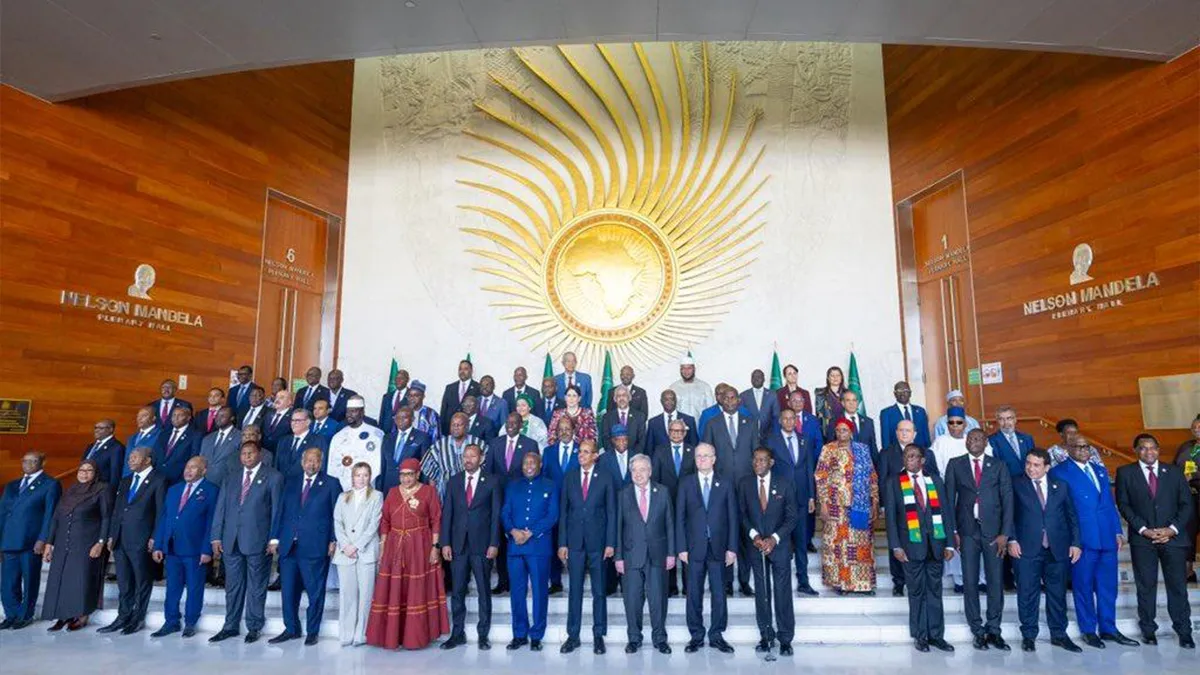
ADDIS ABABA – As the African Union (AU) navigates an increasingly complex global order in 2026, the continental body remains a subject of intense debate among policymakers, scholars, and citizens across Africa. While supporters describe it as the ultimate vehicle for Pan-African integration, critics argue it remains constrained by political caution and structural limitations.
Understanding African Union strengths and weaknesses requires moving beyond symbolism and assessing institutional performance, enforcement capacity, financial independence, and measurable impact. In a period marked by renewed military coups, constitutional term-limit controversies, and intensifying global competition for African influence, the AU stands at a defining crossroads.
The Institutional Critique: A “Club of Leaders”?
Perhaps the most enduring criticism leveled against the AU is its perception as a “Club of Leaders.” Detractors contend that the organization often prioritizes the political stability of incumbent governments over citizen accountability. This top-down orientation can produce a disconnect between high-level resolutions adopted in Addis Ababa and the lived realities of ordinary Africans.
Historically, the AU inherited and upheld the principle of non-interference in the internal affairs of member states. While designed to protect sovereignty, critics argue that this doctrine has occasionally shielded governments from scrutiny regarding democratic backsliding or human rights concerns.
Although the AU has suspended countries following overt military coups, it has faced criticism for uneven responses to “constitutional coups”—instances in which leaders amend national constitutions to extend term limits. This perceived inconsistency fuels the debate over African Union strengths and weaknesses, specifically regarding its political will to uphold democratic norms. These tensions were particularly evident during the discussions at the 39th African Union Summit in Addis Ababa (2026), where the Assembly grappled with the implementation of the African Charter on Democracy, Elections, and Governance amidst a wave of regional instability.
Structural Constraints: Implementation and Financial Dependency
The Implementation Gap
A recurring concern is the gap between declaration and action. AU summits frequently generate ambitious frameworks, but translating these into enforceable national policy remains uneven. Closing this gap requires:
- Stronger monitoring mechanisms and compliance benchmarks.
- Institutional independence for oversight bodies.
- Systematic enforcement to ensure normative leadership retains credibility.
Financial Autonomy and Strategic Independence
Financial dependency has historically constrained AU operations. While the operational budget is largely covered by members, the program and peace budgets remain heavily reliant on external partners like the EU and China.
The scale of this financial dependency becomes clearer when examining current budget allocations.
Table 1: AU Budgetary Dependency (2025 Estimates)
| Budget Category | Total (USD) | Member States (Assessed) | International Partners |
| Operational Budget | $167,045,485 | 98% | 2% |
| Program Budget | $388,273,929 | 22.5% | 77.5% |
| Peace Support Ops | $52,929,131 | 0% | 100% |
Pillars of Success: Trade, Health, and Security
Despite institutional hurdles, the AU has achieved significant milestones that demonstrate a growing capacity for continental coordination and technical excellence.
1. AfCFTA and Economic Integration
The African Continental Free Trade Area (AfCFTA) stands as the AU’s most ambitious economic project. By establishing a single continental market, it aims to stimulate intra-African trade, which currently accounts for roughly 15–18% of total African trade. This is a critical area when evaluating African Union strengths and weaknesses, as success here is the cornerstone of Agenda 2063.
2. Public Health and Africa CDC
The Africa CDC has emerged as a model of institutional efficiency. During the COVID-19 pandemic and subsequent regional health crises, the agency coordinated the procurement of over 400 million vaccine doses through the African Vaccine Acquisition Trust (AVAT). This signaled a shift toward pharmaceutical self-sufficiency and technical cooperation that delivers measurable results.
3. Peace, Security, and Human Rights Norms
Under the doctrine of “African solutions to African problems,” the AU has deployed peace operations like ATMIS in Somalia. Furthermore, the Kampala Convention serves as a global benchmark; it is the world’s first legally binding regional treaty protecting internally displaced persons (IDPs). For example, Niger and Chad have successfully domesticated this treaty, integrating IDP protection into national law.
Geopolitical Context: Africa in a Competitive Global Order
The Union’s admission as a permanent member of the G20 marked a diplomatic milestone, symbolizing recognition of Africa’s collective economic significance. As global demand for critical minerals—lithium, cobalt, and rare earth elements—grows, the AU’s ability to coordinate a unified stance will determine whether the continent secures value-added industrialization.
Scenario Outlook Toward 2030
- Reform and Consolidation: Successful financial reforms transform the AU into a cohesive, independent continental bloc.
- Managed Continuity: Incremental progress continues, but structural weaknesses and dependency persist.
- Fragmented Continentalism: Regional blocs (RECs) gain prominence while central continental coordination weakens.
Conclusion: The Union at a Crossroads
The African Union embodies one of the most ambitious supranational experiments in the Global South. Its achievements in trade integration, public health, and global diplomatic representation are historically significant. Yet, the enduring debate over African Union strengths and weaknesses ultimately hinges on implementation credibility.
For the AU to evolve from a perceived “Club of Leaders” into a genuine “Union of Peoples,” it must strengthen enforcement mechanisms and secure financial independence. Bridging the gap between policy declarations and citizen-level impact will determine whether Pan-Africanism becomes structurally transformative or remains aspirational rhetoric.
The coming decade will determine whether the African Union consolidates its role as a decisive geopolitical actor — or remains constrained by the political calculations of its own membership.
Explore More
Learn more about our editorial standards, policies, and how to contact Kulu Media.
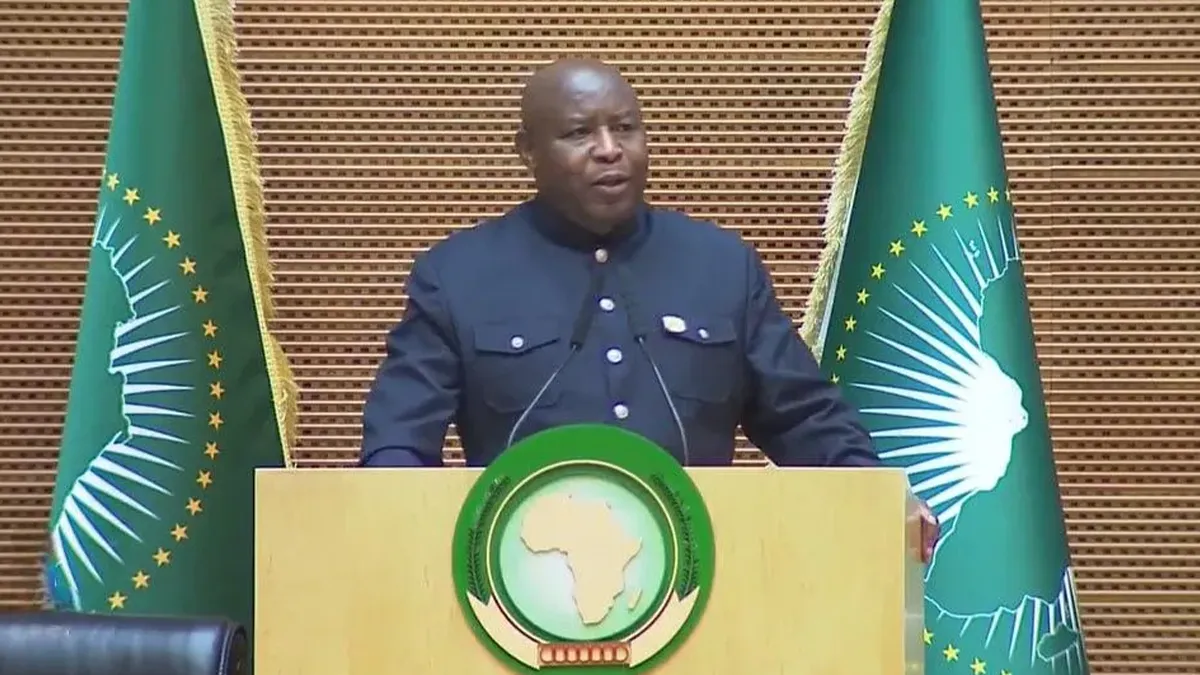
Addis Ababa – The 39th African Union Summit Addis Ababa officially concluded on February 15, 2026, at the African Union headquarters. Continental leaders departed the capital having reaffirmed their commitment to African unity and a landmark shift toward the continent’s health sovereignty.
The 39th African Union Summit Addis Ababa brought together heads of state and senior officials to tackle peace, economic integration, and institutional reform. The session formally closed with remarks from Burundi’s President Évariste Ndayishimiye, who assumed the role of African Union Chairperson for 2026.
AU Leadership Commends Ethiopia
In his closing address, President Ndayishimiye thanked the Government and people of Ethiopia for hosting the high-level gathering.
“We extend our sincere appreciation to Ethiopia for ensuring a smooth and successful summit,” he stated. As the host nation and diplomatic heart of the continent, Ethiopia’s role was central to the decision-making process during the 39th African Union Summit Addis Ababa.
ACHIEVE Africa Initiative Launched on Summit Sidelines
A major highlight alongside the 39th African Union Summit Addis Ababa was the official launch of ACHIEVE Africa—Africa’s Research and Development Engine for Vaccine and Therapeutic Sovereignty.
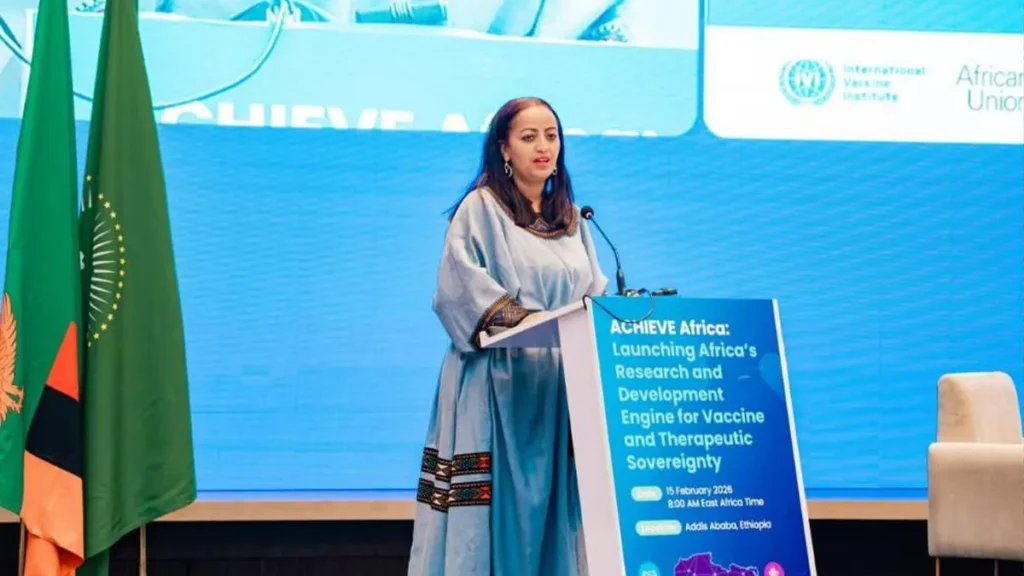
The initiative aims to strengthen Africa’s medical independence by focusing on:
- Local Manufacturing: Scaling up vaccine production plants.
- Regulatory Harmonization: Coordinating drug standards across AU member states.
- Scientific Investment: Increasing funding for genomics and biomedical research.
African leaders reiterated the continental target of producing 60% of Africa’s vaccine needs locally by 2040, a goal seen as critical to reducing dependency on external supply chains.
Ethiopia’s Growing Regulatory Capacity
During discussions linked to the 39th African Union Summit Addis Ababa, Ethiopia’s health leadership highlighted progress within the Ethiopian Food and Drug Authority (EFDA), which has achieved WHO Maturity Level 3 recognition. This milestone positions Ethiopia as a regional leader in vaccine production and export.
Economic Integration and Strategic
Vision The 39th African Union Summit Addis Ababa brought together heads of state and senior officials from across the continent to discuss peace, institutional reform, and economic integration. A key highlight of these discussions was Prime Minister Abiy Ahmed’s outline of Ethiopia’s maritime access and digital transformation strategy. The Prime Minister emphasized that for a nation of over 130 million people, securing reliable port outlets is a “matter of existence” and a fundamental requirement for sustainable growth within the framework of Agenda 2063.
Renewed Commitment to Agenda 2063
The 39th African Union Summit Addis Ababa concluded with renewed calls for the implementation of Agenda 2063—the AU’s long-term development blueprint. President Ndayishimiye officially declared the session closed, reaffirming Africa’s collective responsibility toward sustainable development and self-reliance.
Africa
Ethiopia’s Maritime Access and Digital Transformation: PM Abiy Outlines Vision at AU and Italy Summits
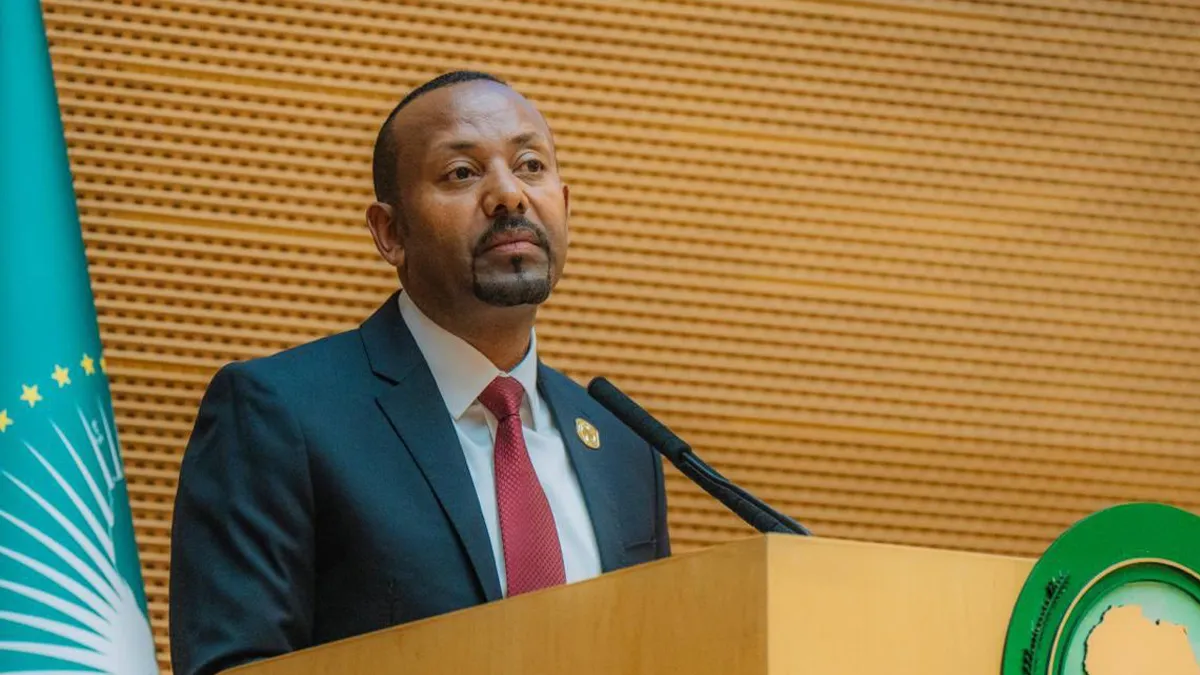
ADDIS ABABA – In a landmark week for continental diplomacy, Prime Minister Abiy Ahmed (PhD) has reinforced Ethiopia’s position as a pivotal player in Africa’s economic and technological future. Speaking at the 39th African Union (AU) Summit and the Italy-Africa Summit—held for the first time in the diplomatic capital of Addis Ababa—the Prime Minister outlined a vision centered on Ethiopia’s maritime access and digital transformation as the twin pillars of national sovereignty.
The Quest for Sea Access: A Matter of Survival
Addressing the 39th AU Summit, held under the theme of sustainable water supply and sanitation for Agenda 2063, Prime Minister Abiy delivered a firm message regarding the necessity of Ethiopia’s maritime access. He emphasized that for a nation of over 130 million people, securing diverse and reliable port outlets is not merely a preference but a fundamental requirement for sustainable growth.
“A country like Ethiopia requires multiple port outlets,” the Prime Minister stated. He argued that securing reliable maritime access through peaceful cooperation is essential for the long-term stability and economic integration of the Horn of Africa. Abiy, who has previously described the nation as a “geographical prisoner,” reiterated that Ethiopia’s 130 million citizens cannot remain sidelined from global trade, calling port access a “matter of existence”.
Water as a Catalyst for Regional Stability
The Prime Minister also addressed the strategic management of water resources, framing it as a source of peace rather than conflict. He noted that when African rivers are harnessed for mutual benefit, they become foundations for innovation and stability.
Highlighting the Grand Ethiopian Renaissance Dam (GERD), Abiy explained that the project is already transforming the region by providing clean energy for domestic industries and generating foreign currency through electricity exports. “Water shapes our cities, our agriculture, our health, and our peace,” he remarked, urging African nations to adopt responsible management to drive continental prosperity.
Redefining the Africa-Europe Partnership
Parallel to the AU sessions, Addis Ababa hosted the second Italy-Africa Summit. Alongside Italian Prime Minister Giorgia Meloni, PM Abiy discussed the “Mattei Plan,” Italy’s strategic initiative aimed at energy security, sustainable development, and migration management.
The Prime Minister was clear that the future of Africa-Europe relations must move past the archaic model of dependency. “We can shape a new relationship based on mutual respect and shared prosperity,” he said, noting that the Mattei Plan aligns with Ethiopia’s Homegrown Economic Reform, particularly in renewable energy and smart agriculture.
The Role of AI in Ethiopia’s Digital Transformation
A significant portion of the Prime Minister’s address focused on Africa’s greatest demographic asset: its youth. He called for massive investment in Artificial Intelligence (AI) as a primary engine for Ethiopia’s digital transformation, emphasizing that technology is the key to solving future challenges and creating sustainable employment.
“Investing in our youth to engage in the digital and AI sectors is key,” Abiy noted. By positioning Ethiopia as a hub for aviation, logistics, and digital innovation, the Prime Minister signaled that the country is ready to bridge the gap between Africa and the global tech economy.
A New Era of Equality
Italian Prime Minister Giorgia Meloni echoed these sentiments, stating that holding the summit in Addis Ababa underscores Italy’s commitment to an “equal partnership”. She emphasized that the Mattei Plan is designed to support African nations in harvesting their own resources rather than creating new forms of dependency.
The summits concluded with a shared focus on linking Africa and Europe through energy projects and curbing illegal migration by creating tangible economic opportunities. As the nation navigates its path toward becoming a middle-income power, the progress of Ethiopia’s maritime access and digital transformation remains the defining roadmap for the administration.

MEKELLE – A localized Mekelle explosion occurred tonight, February 12, 2026, near the Adi Haqi Campus of Mekelle University at approximately 9:30 PM.
The Mekelle City Peace and Security Office confirmed that while the blast caused significant alarm among residents, there are no casualties or property damage reported at this time.
Investigation into the “Mekelle Explosion”
Authorities describe the Mekelle explosion as a deliberate act by “anti-peace forces” aimed at inciting terror and disrupting the upcoming Yekatit 11 celebrations. Security forces have pointed out that a similar incident took place in this exact area months ago, indicating a pattern of targeted harassment.
“This Mekelle explosion was intentionally timed to destabilize the city’s peace,” a spokesperson for the Security Office stated. Local police are currently working with regional security units to apprehend the individuals behind the attack.
Safety and Vigilance
The Security Office has urged all Mekelle residents to remain calm but vigilant in their neighborhoods. A detailed report regarding the technical nature of the Mekelle explosion will be released once the forensic investigation is complete.
As the region continues to recover from recent conflict, such incidents add a layer of anxiety for the local population. Kulu Media will continue to monitor the situation and provide updates as they become available.
Read It In Tigrigna

African Union Strengths and Weaknesses in 2026: Navigating the Institutional Paradox

The 39th African Union Summit Addis Ababa Concludes with New Push for Health Sovereignty

Ethiopia’s Maritime Access and Digital Transformation: PM Abiy Outlines Vision at AU and Italy Summits

“We Have Made Sufficient Preparations” – Dr. Debretsion Gebremichael

Mekelle Explosion Reported Near Adi Haqi Campus

PM Abiy Ahmed may enter Tigray in the name of law enforcement.

Gere Emun Part 179 | ገሬ እሙን ክፋል 179

Beyond the Stream: How IShowSpeed is Rewriting the Global Narrative on Africa

The Most Funny Animals Ever | Viral Video

World News Summary

-
 Politics2 years ago
PM Abiy Ahmed may enter Tigray in the name of law enforcement.
-
 Entertainment2 years ago
Gere Emun Part 179 | ገሬ እሙን ክፋል 179
-
 Entertainment1 month ago
Beyond the Stream: How IShowSpeed is Rewriting the Global Narrative on Africa
-
Entertainment2 years ago
The Most Funny Animals Ever | Viral Video
-
 World2 years ago
World News Summary